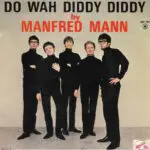
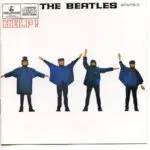
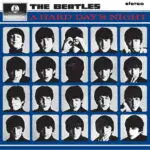
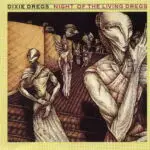
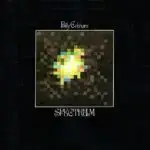
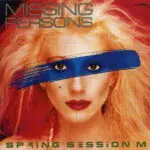
Ken Scott’s career began in the tape library of EMI Recording Studios (later known as Abbey Road Studios), where his first assignment as an assistant engineer was working on side 2 of The Beatles’s A Hard Day’s Night. He went on to assist on sessions for their next 3 albums as well as with such diverse artists as Daniel Barenboim, Judy Garland, Manfred Mann and Peter Sellers
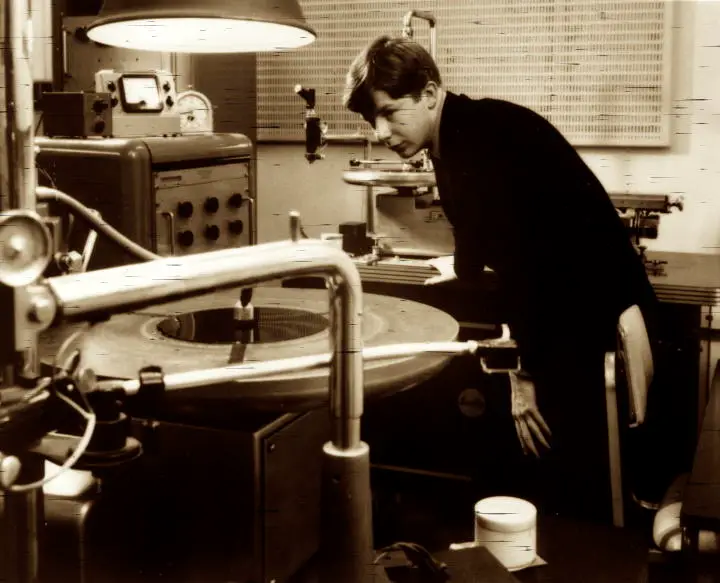
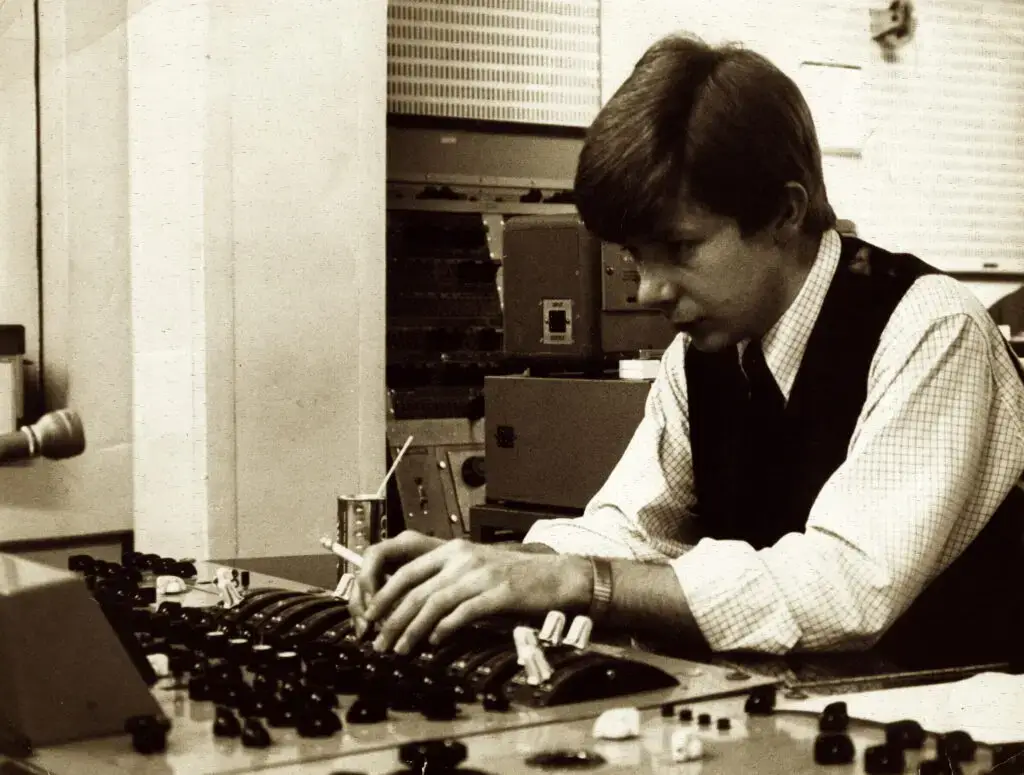
After being promoted and spending 2 years as a cutting engineer (mastering engineer) he finally sat behind a mixing console as a fully fledged recording engineer
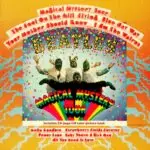
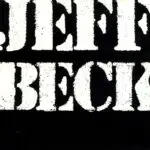
His first sessions were spent back with The Beatles working on Magical Mystery Tour and then the band’s White Album. While still at EMI he also worked with a wide range of other artists, including the Jeff Beck Group, Pink Floyd, Procol Harum, Scaffold, and Mary Hopkin
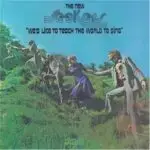
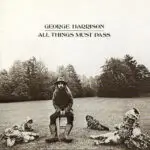
Ken Scott’s eventual move to the independent Trident Studios had him working on several solo Beatles projects along with Elton John, America, Harry Nilsson and The New Seekers
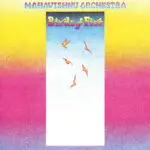
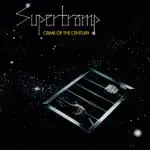
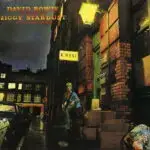
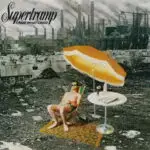
Whilst still engineering Ken launched his production career with David Bowie, ultimately producing four of his albums, including the landmark The Rise and Fall of Ziggy Stardust and the Spiders from Mars. Then came jazz-fusion giants The Mahavishnu Orchestra and on to Supertramp’s Crime Of The Century
Scott’s versatility allowed him to move fluidly between genres, bringing out the best in every artist he worked with, whether it was rock, pop, jazz fusion, or experimental, but it took venturing into the field of Americana to win his first Grammy for Best Folk Album in 2025
He remains a towering figure in music history — a producer and engineer whose creativity and technical brilliance helped shape some of the most iconic records of the 20th century.
His contributions to music are enduring and profound. His technical skill, creative instinct, and collaborative spirit have made him a quiet architect behind some of the most influential records of the 20th century.